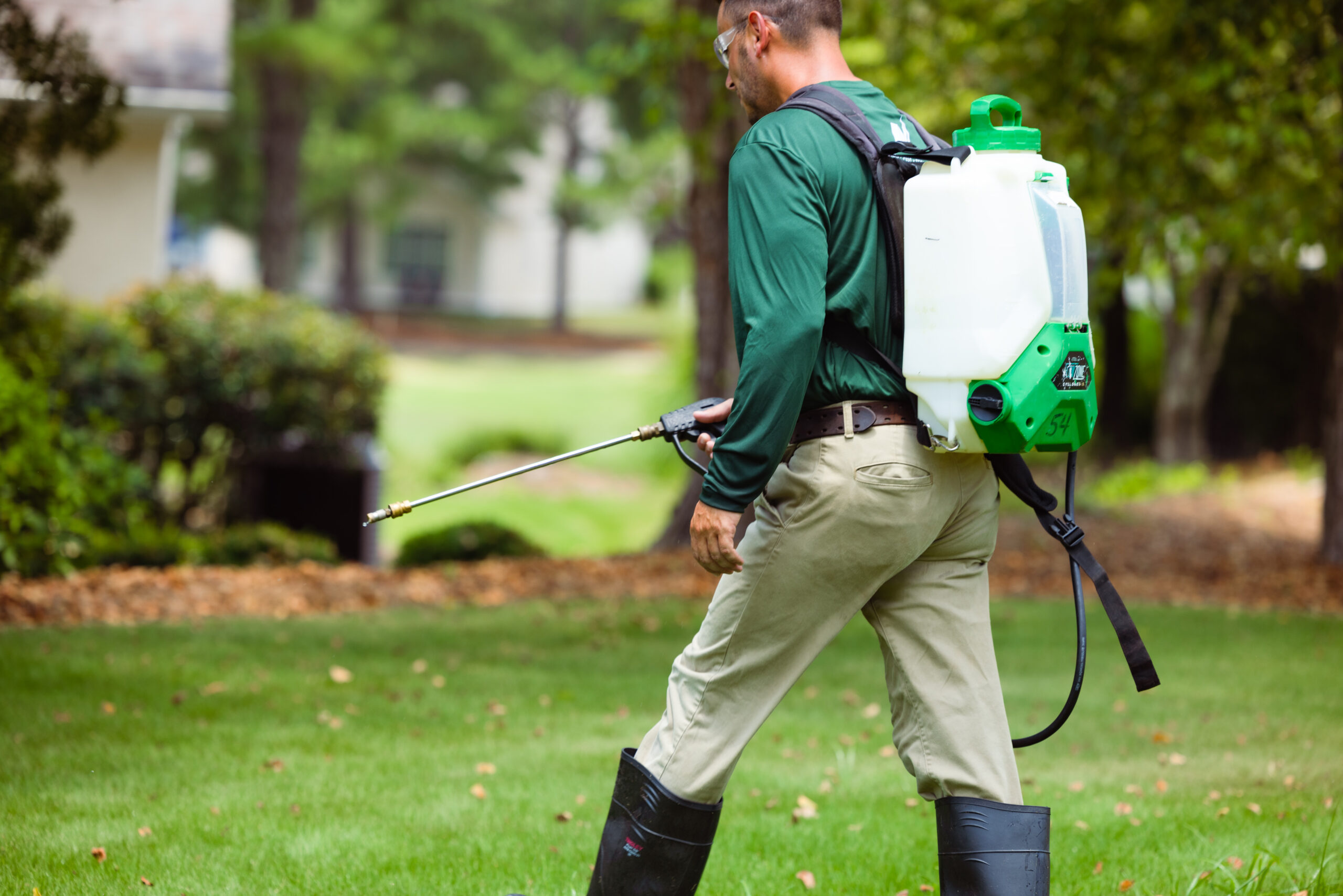
Spring is when your lawn starts to wake up, but unfortunately, so do weeds. If you want a thick, healthy lawn in Georgia, spring weed control is essential. The earlier you act, the easier it is to prevent weeds from taking over. In this guide, we’ll cover simple, effective strategies to control weeds and keep your lawn looking its best all season long.
Why Spring Weed Control Matters
Weeds compete with your grass for water, nutrients, and sunlight. If left untreated, they can quickly spread and weaken your lawn. The key to successful weed control is all about timing and knowing how to handle different types of weeds.
A proactive approach in spring helps:
- Prevent weeds before they germinate
- Reduce the need for stronger treatments later
- Promote thicker, healthier turf
Know Your Common Georgia Weeds
Understanding what you’re fighting is the first step to effective control. Some weeds are active seasonally, some can be prevented, and some can’t. Learning what to expect to see in your yard will help you win the battle.
Common Spring and Summer Weeds in Georgia Lawns:
- Crabgrass (warm-season annual)
- Dandelion (broadleaf perennial)
- Clover (broadleaf weed)
- Chickweed (cool-season annual)
Each type of lawn weed responds differently to treatment, which is why timing and products matter.
Apply Pre-emergent at the Right Time
Pre-emergent herbicides are your best defense against weeds like crabgrass. These products stop weeds before they sprout, and they should be applied seasonally.
It’s recommended to apply pre-emergent herbicides in early spring when soil temperatures reach about 55°F for several days in a row.
Key Tips:
- Apply in late winter to early spring (February–March in Georgia)
- Water it in after application
- Do not disturb the soil after applying (this breaks the barrier)
Timing is critical—apply too late, and weeds may already be growing.
Use Pre-emergent Weed Control When Needed
If weeds have already appeared, post-emergent treatments can help eliminate them. This form of weed control will treat weeds that have already sprouted, but won’t harm your grass.
For best results, use post-emergent weed control to spot-treat problem areas and fast-growing weeds like nutsedge. Avoid mowing immediately before or after application.
Maintain a Thick, Healthy Lawn
The best long-term weed control is a strong lawn. Healthy grass naturally crowds out weeds.
Spring Lawn Care Tips:
- Mow properly: Mow at the appropriate height for your specific grass type.
- Fertilize correctly: Use balanced nutrients and apply fertilizers evenly throughout the season to help your lawn maintain healthy growth and color.
- Water deeply: It’s better to water deeply, fewer times a week, than to water in short daily spurts. Shallow watering will encourage shallow root systems in your lawn.
Common Spring Weed Control Mistakes
Avoid these mistakes to protect your lawn:
- Applying pre-emergent too late
- Overusing herbicides
- Cutting grass too short (scalping)
- Ignoring soil health
Small errors can lead to bigger weed problems later in the season.
Why Choose Professional Weed Control
Weed control timing in Georgia can be tricky due to changing weather conditions. A professional lawn care service like Nature’s Turf understands local grass types and seasonal patterns. We offer lawn fertilization and weed control programs, tree and shrub care, mosquito control, and more. Since 1977, we have been a trusted name in Metro Atlanta for professional lawn care service.
With our expert help, you will get precise pre- and post-emergent applications and reduce weeds more effectively. So skip the hassle, save your time and money, and contact our team today to get a free quote!